Overview
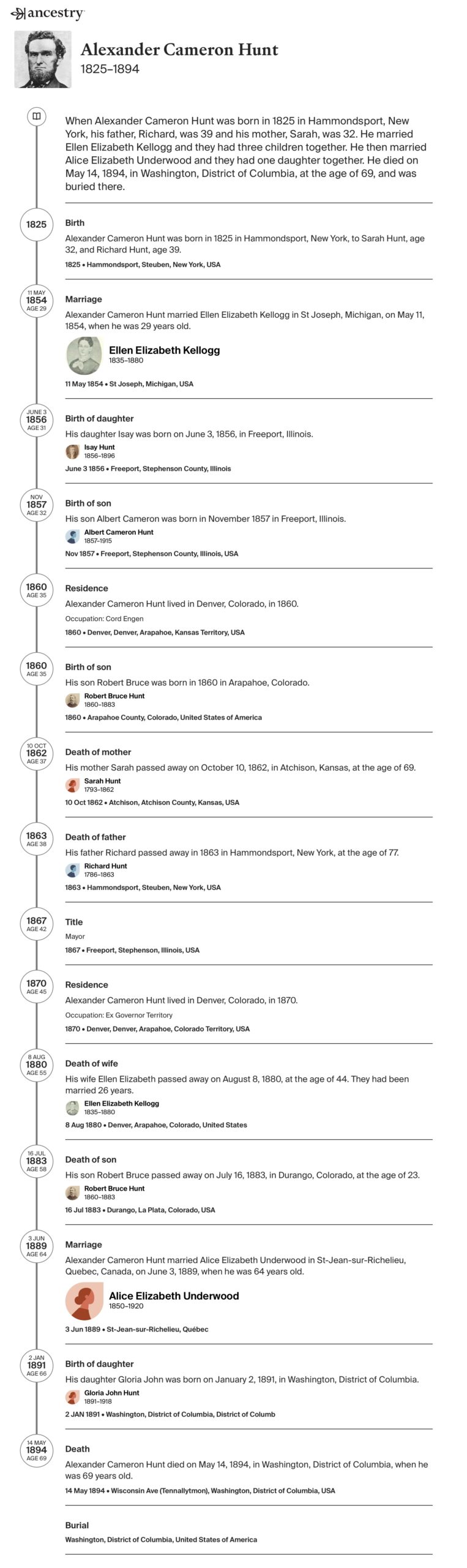
Alexander Cameron Hunt was born in New York City in 1825 (Wikipedia) OR in Hammondsport, New York, in 1829 (Obituary). His daughter was unsure of his birthplace. When Hunt was a child, his family moved to the frontier town of Freeport, Illinois. He attended the first school shortly after it opened. There is no record of Hunt pursuing higher education. As a young man, Hunt caught gold fever and was swept up in the 1849 rush to California. He returned to Freeport a “wealthy man”, where he established businesses and was elected mayor. Hunt was wiped out by the Panic of 1857.
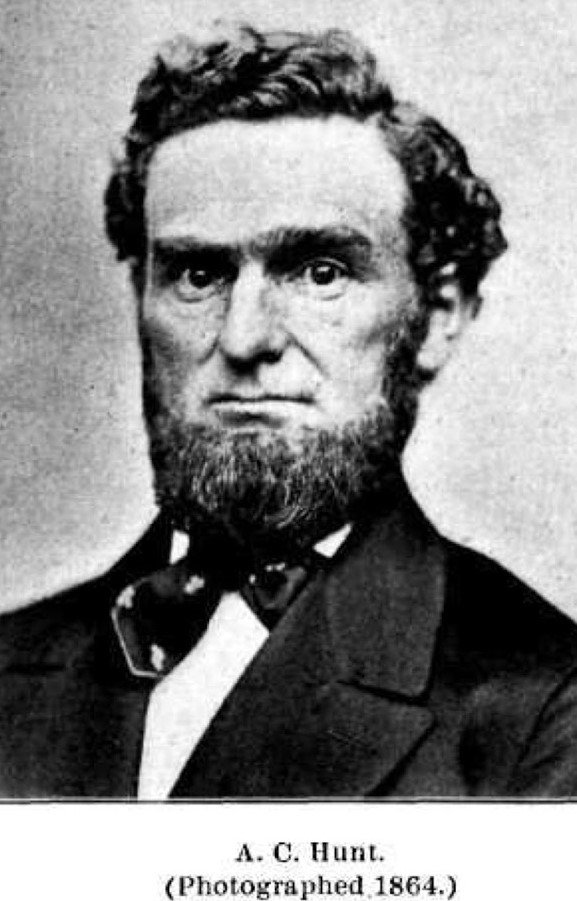
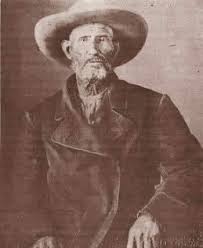
Hunt left Illinois as the leader of a wagon train and arrived in Colorado in 1859. Hunt served as Territorial Governor from 1867 to 1869, but the Wikipedia article is sparse, and a comprehensive biography seems to be lacking. His impact on the State of Colorado began well before those two years as governor. In 1861, Abraham Lincoln appointed him US Marshal. After serving as territorial governor, Hunt was a founder of WH Jackson’s Denver and Rio Grande Railway.
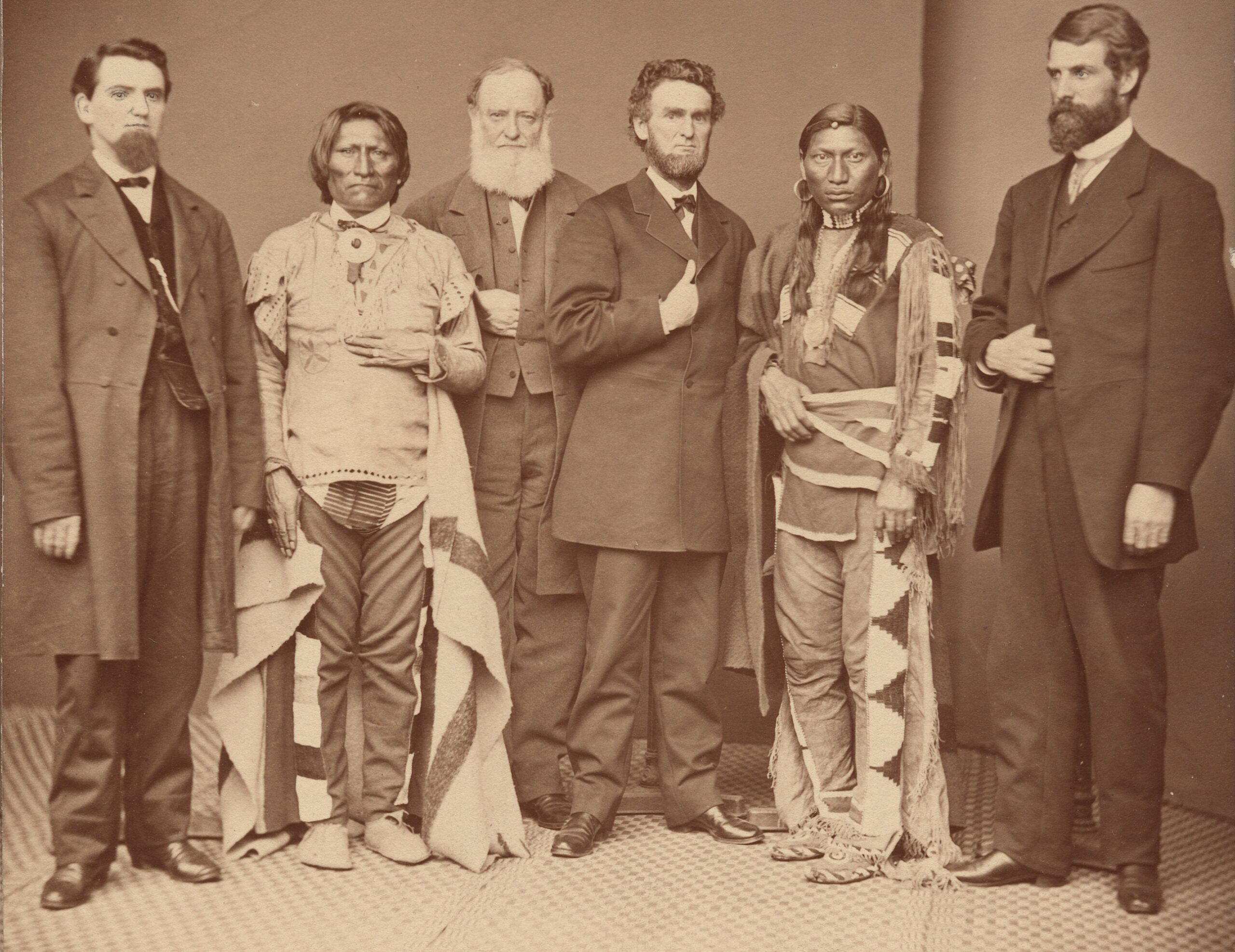
Before the Colorado Territory existed, Hunt was elected judge of the “vigilance committee.” He was instrumental in establishing a semblance of law and order in the twin communities of Auraria and Denver and in their unification. In 1861, Abraham Lincoln appointed Hunt US Marshal for the Colorado Territory. In 1860, the town of Huntsville was named for him, and the first post office in Douglas County was established there. The Sand Creek Massacre occurred while he was US Marshal. Hunt interviewed soldiers and others with direct knowledge of the events. He would have been among the “high officials” threatened in the Rocky Mountain News when, in 1865, he traveled to Washington, DC. He testified against the attack on peaceful Indians. As governor in 1868, Hunt, along with DC Oakes, Kit Carson, and others, escorted a Ute delegation, including Ouray, to Washington and helped negotiate the Hunt (aka Carson) Treaty. This treaty established most of Colorado’s western slope as a Ute reservation. While this treaty is now understood to have been a massive land grab, the short-lived Ute reservation was viewed by Whites as generous in the era of Manifest Destiny. Hunt was unceremoniously replaced as Territorial Governor in 1869 by U.S. Grant while he was attempting to provide equipment to the Utes to help them transition to settled agriculture. It is interesting to consider a counterfactual in which Hunt remained governor and the Meeker Massacre never happened. Perhaps the Utes would have retained a larger portion of their homeland, as the Navajo did.
Hunt’s impact extended beyond those early years. In Douglas County, he established one of the “finest and best stock ranches in the state of Colorado.” His ranch was on Hunt Mountain, now the JA Ranch. Hunt was among the three men who signed the Denver and Rio Grande Railway’s articles of incorporation in 1871. In 1881, he arrived in Durango aboard the first passenger locomotive, the day after the tracks were laid. He would have been involved in managing the 2,000 railway workers who extended the line into the isolated communities of the time. Hunt seems to have made and lost several fortunes. He died in 1894 in Washington, DC, estranged from his daughter and far from the state he helped create.